The process is sadly familiar to millions of diabetics in the Arab world. a packed waiting area. a pile of shapes. Ten minutes of rushed consultation, followed by a prescription slip and a return date. The same room, the same paperwork, and the same quick conversation are repeated three months later. We’ve recorded the numbers. The medication is extended. And the person on the other side of the desk completely loses themselves in the transaction. This isn’t medication failing covertly, session by session, right in front of your eyes.
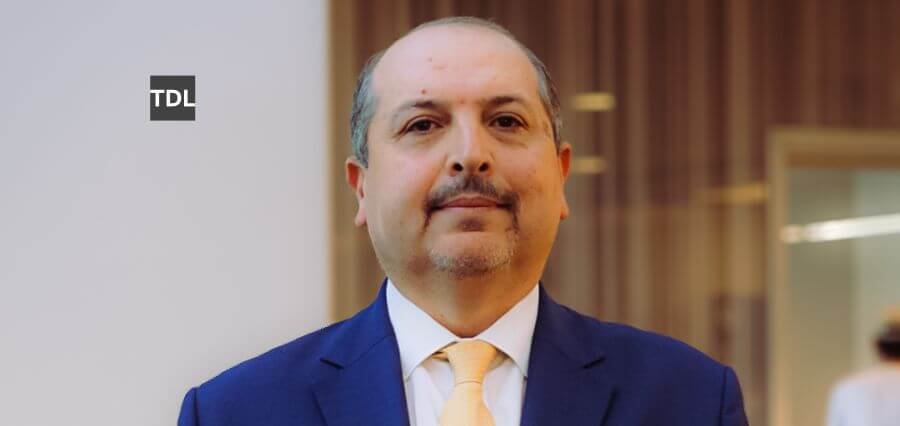
After examining that system, Dr. Omar Dhaimat rejected it. Not loudly, not with lofty proclamations, but with the type of persistent, resolute resistance that becomes something tangible after more than 23 years of labor. As the Head of the Diabetes and Endocrinology Department at Clemenceau Medical Center, he has spent his career building something that looks fundamentally different: care that is continuous, coordinated, and genuinely centered on the person receiving it.
In a region where one in five adults lives with diabetes, and where the health burden of endocrine disease touches nearly every family, the difference between a good doctor and a great one is not skill alone. It is vision and the willingness to ask not just how to treat a patient today, but how to build a system that serves patients far better tomorrow. That is the question Dr. Omar Dhaimat has been answering, one decision at a time, for more than two decades.
A Goal That Never Changed
From the moment Dr. Omar Dhaimat entered the field of endocrinology, he carried a goal that was anything but small. He wanted to build a comprehensive diabetes center- one where the latest technologies worked alongside a fully integrated, multidisciplinary team, all under a single coordinated service. That was not a vague wish. It was a blueprint.
Over 23 years, he built that blueprint into reality, twice. He successfully established two centers of excellence in diabetes care and the broader management of endocrine diseases. Each center carried the same DNA: specialist expertise working in close coordination with educators, nurses, dietitians, pharmacists, and primary care teams, all focused on the same patient.
But Dr. Omar Dhaimat understood something important early in his career. A doctor who cannot lead is a doctor whose impact stops at the door of his own clinic. So, he did not stop at clinical training. He completed advanced leadership and healthcare management programs, including CEO and CMO-level courses, to develop the skills that building and sustaining institutions demand. He became a clinician and a leader, both deliberately.
A Vision Rooted in the Region
Dr. Omar’s vision for healthcare in the Arab world is grounded in something that most global health conversations tend to overlook: local reality. He believes in care that is patient-centered, technology-driven, and respectful of the cultural values that shape how people in this region live, eat, and understand their health.
At the heart of that vision is a shift he has been working toward throughout his career, moving healthcare away from fragmented, reactive treatment and toward coordinated, preventive, chronic disease management. In the Arab world, where diabetes and endocrine disorders carry an outsized burden on individuals and health systems alike, that shift is not a luxury. It is a necessity.
Dr. Omar Dhaimat has pushed his work in that direction through every decision he has made: investing in multidisciplinary teams, bringing advanced technologies into daily clinical use, and placing prevention and long-term patient engagement at the front of the care model rather than the back. He does not believe the Arab healthcare ecosystem is merely following global trends. He believes it is increasingly capable of setting them.
Innovation, Handled with Care
In diabetes care, new technologies arrive quickly. Continuous glucose monitors, insulin pumps, digital health platforms; the pace of innovation can be exciting, but it can also outrun the frameworks needed to use it safely. Dr. Omar Dhaimat has a clear and firm position on this: innovation must serve the patient first, and the technology second.
Every new tool or care model he introduces is evidence-based, guideline-aligned, and deployed within a proper governance framework. He follows a phased approach to implementation- monitoring outcomes like hypoglycemia rates, time-in-range metrics, and patient-reported experience before scaling anything further. Data privacy and ethical standards are not an afterthought in his department. They are built into the process from day one.
Dr. Omar Dhaimat invests heavily in education- for patients learning to use new tools and for healthcare professionals integrating them into clinical workflows. His view of innovation is both simple and firm: it should make clinical judgment sharper and outcomes better. It should never replace the professional responsibility that sits at the center of good medicine.
When Data Becomes the Doctor’s Sharpest Tool
Dr. Omar Dhaimat has overseen a quiet but significant transformation in how his department uses data. Diabetes care in his unit has moved away from the old model of episodic clinic visits, where a clinician sees a patient, reviews a snapshot of glucose readings, and makes decisions based on a handful of numbers. It has shifted toward something far more dynamic and continuous.
By integrating electronic medical records with continuous glucose monitoring and remote monitoring tools, his team now makes clinical decisions based on real-time trends, not isolated readings taken weeks apart. Patterns surface earlier. Warning signs appear before they become emergencies. Treatment plans adapt faster, because the information driving them is always current.
This approach enables genuinely personalized care and earlier interventions. It keeps patients connected to their care team between appointments rather than waiting until something goes wrong. For Dr. Omar Dhaimat, digital transformation is not a technology project. It is a patient care strategy, and he treats it as one.
Steady Hands in Difficult Moments
Uncertainty is not unusual in healthcare. Resources run short. Systems strain. Decisions are needed before all the facts are available. Dr. Omar Dhaimat navigates these moments by returning to what he trusts: clear clinical priorities, reliable data, and the governance structures his department has built precisely for such situations.
When things get difficult, he moves fast without moving recklessly. He assesses risk quickly, communicates openly with his team, and empowers his staff to act within clear frameworks, giving them the confidence to move with speed and the accountability to move with care. Dr. Omar Dhaimat makes timely calls rather than waiting for a certainty that rarely comes, and he stays focused on what matters most: the safety of patients and the continuity of their care.
His teams trust him not because he always has the answer, but because they know he will always do the work to find one, and he will bring them with him while doing it.
A Legacy Measured in Systems, Not Titles
Ask Dr. Omar Dhaimat about the legacy he wants to leave, and he does not talk about positions or recognition. He talks about systems. He wants to leave behind sustainable, patient-centered diabetes care structures that prioritize prevention, use technology thoughtfully, and produce real, measurable improvements in patient outcomes and quality of life.
Dr. Omar Dhaimat wants the teams he has built and the care models he has created to keep evolving long after his own role in them has ended. That is the definition of lasting impact- not what you hold onto, but what you leave standing.
To the next generation of healthcare leaders in the region, his guidance is direct: lead with purpose and evidence. Invest in prevention. Adapt global best practices to local realities. Embrace innovation responsibly. And always, without exception, keep the patient at the center of every decision. Real leadership in diabetes care is not measured by job titles. It is measured by the strength of the systems you build and the quality of the lives those systems serve.
At Clemenceau Medical Center, Dr. Omar Dhaimat is living that belief, one patient, one team, and one carefully built system at a time.