
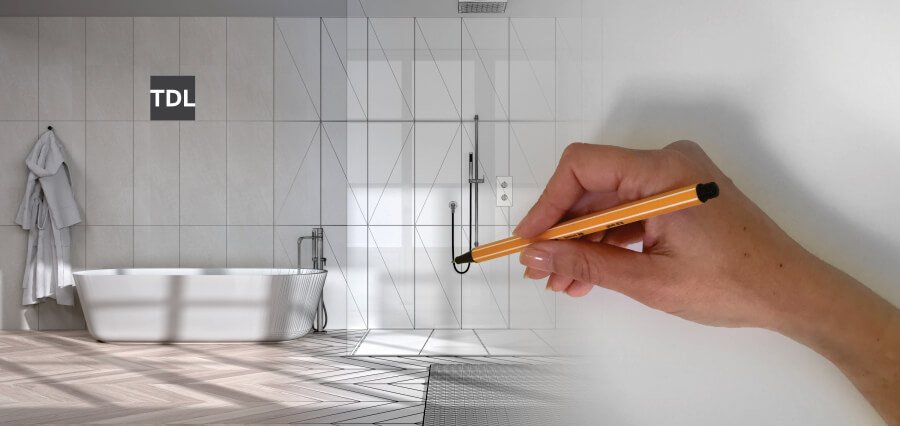
Architecture has come a long way from the concept of merely functional constructions. Today, the architect is asked to create an efficient, flexible, sustainable and responsive space to future needs. Changes in lifestyles, technology and the rapid urbanization have revolutionized building design and usage patterns. Innovative planning approaches are critical to making the best use of all the square feet as cities become dense and land becomes scarcer.
Some of the most important features of the modern architecture landscape include flexibility, user experience and environmental responsibility. Even for residential buildings, a range of commercial structures, schools, hospitals, and many other applications, advanced planning methods that focus on efficiency are being adopted, and they don’t compromise on aesthetics. These strategies allow buildings to stay viable for the long term and contribute to economic and environmental outcomes.
Flexible Design
Flexible design is a key aspect of contemporary architecture. The traditional layout was frequently to fix a specific function for the rooms and spaces. But nowadays, users want environments which can adapt to changing needs. Open floor plans, versatile partitions and rooms enable the inhabitants to use the space for various tasks during the day, thus ensuring greater flexibility and efficiency of the space. This flexibility plays a pivotal role in urban settings where space is a big problem.
By adopting Modern Space Planning Solutions, architects can design spaces that adapt and change over time to suit the needs of their users. For residential projects, living spaces can be integrated with workspaces, and collaborative areas may be established along with individual workstations in commercial offices in the same square footage. The organization and the individual can reduce costly renovations, while keeping the building adaptable to future changes in use through its flexibility in the planning process.
Smart Integration
The use of technology has become integral to the planning of architecture. Architects can use digital tools to learn more about the design of a building early on, for example through Building Information Modelling (BIM), Artificial Intelligence (AI) and data analytics. These technologies enable architects to make more precise predictions of space utilization, occupant behavior, and operational requirements. It means that plans will be made based upon real information rather than assumptions and they will be made for better outcomes.
By utilizing sensors, automation systems and connected infrastructure, facilities can adapt to changing conditions in a dynamic way. Lighting, ventilation and occupancy systems can also control high quality lighting in real time, helping to achieve comfort and energy saving. Architects design intelligent spatial environments that enhance productivity while improving building efficiency and sustainability.
Sustainable Spaces
Sustainability is fast emerging as a key theme of architectural design and planning. Energy efficiency is a major part of building use, and space efficiency is essential for environmental stewardship, especially within buildings. Architects are becoming more and more interested in methods that will reduce waste, use fewer resources and enhance its performance over the long haul. Another key element of green architecture is the integration of interior and exterior spaces. The use of natural lighting, passive ventilation and biophilic design features are becoming part of the planning considerations to improve the well-being of the occupants.
These features not only mitigate dependence on artificial systems, but also produce healthier and more interesting places. Modern Space Planning Solutions enable architects to align environmental objectives with user expectations, allowing them to design buildings that deliver both sustainability and functionality. The future of architecture will depend on architects’ ability to design spaces that respond to evolving social, technological, and environmental needs. Innovative planning methods are not a luxury but a necessary condition to build buildings that will be relevant in the rapidly changing world. The field of architecture will remain a space of experimentation with new methodologies, materials and technologies, both adaptable and efficient, flexible and sustainable, in a wide range of project types.
Conclusion
The need for innovative space planning has become more vital as the requirements of architecture have changed over time and will continue to do so. Innovative space planning is becoming a key element in creating efficient, adaptable and future-ready buildings as architectural needs evolve over time. Flexible layouts, smart technologies and sustainable design principles help architects to make optimal use of space, and make buildings more comfortable and efficient.
These forward-looking solutions can be applied with buildings that need to be modified for new needs and demands in the process of urban development. The design of buildings and structures will increasingly rely on their functionality, sustainability and technological innovations in the future. By using some innovative planning strategies, architects can craft resilient spaces that keep adapting to the shifting needs of communities and businesses in an environment that’s getting complicated.