
Advancing Clinical Precision
The relationship between beauty and medicine has always been complex. On one side sits the desire to look and feel better, which is deeply personal and shaped by culture, confidence, and self-perception. On the other sits the discipline of clinical practice, grounded in science, training, and a commitment to doing no harm. Where these two worlds meet is where aesthetic medicine operates and the way it navigates that intersection has become increasingly sophisticated over time. Technology has played a major role in this sophistication, expanding what is possible while raising the standards for how it should be done. The result is a field that is more precise, more predictable, and more capable of delivering results that genuinely improve how people feel about their appearance without compromising their safety or their health.
Where Technology Has Changed the Game
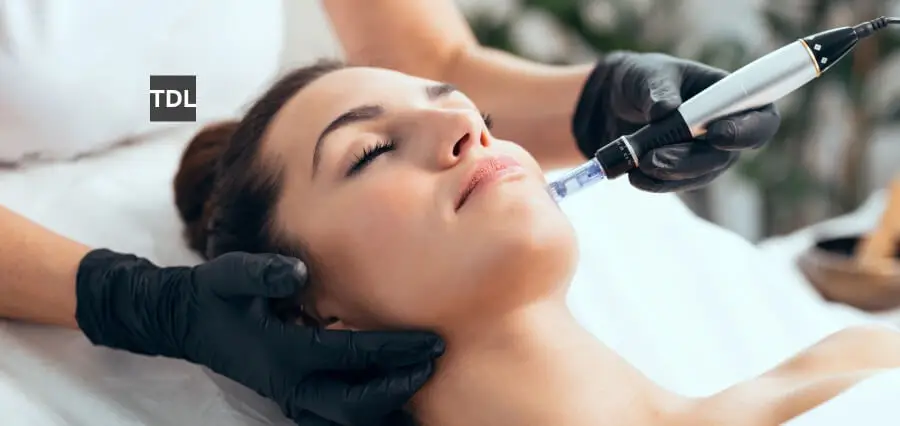
The tools available to practitioners today are fundamentally different from those available even a decade ago. Imaging systems that allow precise visualization before a procedure begins, devices that deliver energy to specific tissue layers with accuracy that manual techniques cannot replicate, and monitoring systems that provide real-time feedback during treatment are all examples of technology that has raised the ceiling of what is achievable in clinical aesthetic practice.
Aesthetic medicine has absorbed these tools not as replacements for clinical skill but as extensions of it. The practitioner who understands the technology deeply, who knows its capabilities and its limitations, and who applies it within a framework of genuine clinical knowledge is able to achieve outcomes that neither the technology nor the clinical skill could produce independently. This integration is what defines the current era of the field.
Precision as the Central Value
The word precision appears frequently in conversations about modern aesthetic practice, and it carries real meaning. Precision in this context means delivering the right treatment to the right location at the right depth with the right amount of energy or material. It means understanding the anatomy of each individual patient and adjusting the approach accordingly rather than applying a standard protocol to every person who presents with a similar concern.
Aesthetic medicine at its best is built on this precision. Every face is different. Every body carries its own structure, its own history, and its own particular characteristics that a skilled practitioner needs to account for before deciding what to do and how to do it. Technology supports this precision by providing information and control that was previously unavailable, but it is the clinical judgment of the practitioner that determines whether that information is used well.
The Role of Assessment and Planning
Good outcomes in aesthetic practice begin long before any treatment is delivered. The assessment phase, where the practitioner evaluates the patient, understands their goals, identifies their anatomy, and develops a treatment plan that addresses their specific needs, is where the quality of the eventual result is largely determined. Rushing or shortcutting this phase in favor of moving quickly to treatment is one of the most common sources of poor outcomes in the field.
Aesthetic medicine practitioners who integrate technology into their assessment and planning process are working with significantly more information than those who rely on visual examination alone. Advanced imaging, measurement tools, and digital planning systems all contribute to a fuller understanding of what the patient needs and how best to provide it. This investment in thorough assessment is what separates practitioners whose results are consistently excellent from those whose results are inconsistent.
Managing Safety Alongside Innovation
Innovation in any medical field carries responsibility. New techniques, new devices, and new materials all need to be understood thoroughly before they are applied to patients, and the enthusiasm that often accompanies genuinely exciting advances needs to be balanced by the caution that clinical responsibility demands. The pace of development in aesthetic practice is fast, and the pressure to offer the latest treatments can push practitioners toward adoption before their understanding of a new approach is fully developed.
Aesthetic medicine practitioners who manage this responsibly approach innovation with a structured process. They develop their understanding of new techniques through proper training and supervised practice before offering them independently. They stay connected to the evidence base for the treatments they offer and update their practice when that evidence evolves.
Building Patient Relationships Based on Honesty
Technology and precision mean little if the relationship between practitioner and patient is not built on genuine honesty. Patients come to aesthetic practice with expectations that are sometimes realistic and sometimes not, and the responsibility of the practitioner includes helping them understand what is achievable, what the process involves, and what the limitations of any given treatment are.
Aesthetic medicine practitioners who build their practices on this kind of honest communication tend to develop patient relationships that last.
In Summary
The integration of technology with clinical precision has taken aesthetic medicine to a level of capability and safety that benefits both practitioners and patients. As tools continue to develop and the evidence base for various approaches grows stronger, the field will keep evolving. What will not change is the fundamental requirement for genuine clinical knowledge, honest patient relationships, and the kind of careful, considered practice that turns technological capability into real and lasting results.