
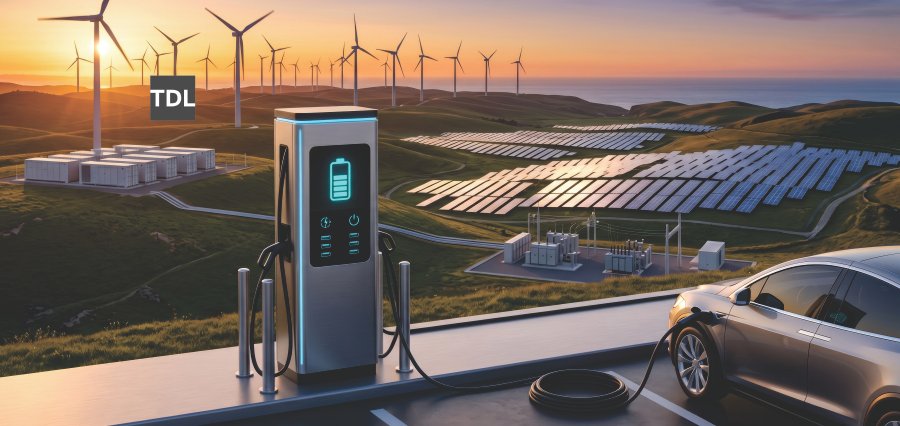
The Gulf is well-known for oil and gas; however, the energy sector of the area is experiencing a substantial shift. Many countries from this region have been working extensively on solar, wind, energy storage, hydrogen, and other alternative energy sources. This move is not only motivated by their environmental obligations but also by their desire to improve their energy security, diversify their economies, and satisfy the increasing demands for electricity at home.
Growth in Green Energy Gulf is indicative of the transformation taking place in the region’s perception about its part in the global energy market. While renewable energy was initially looked at from the perspective of environment conservation, it is now perceived to be an economic venture, which can help promote industrialization, attract investments, generate employment opportunities, and also maintain the economic value of hydrocarbons through exports. The region’s fast-tracking of clean energy ventures is a clear indication that it seeks to be a significant player in the next wave of energy transition around the world.
A Solar-Powered Shift
Solar power lies at the core of the renewable energy expansion in the Gulf. This region experiences one of the highest amounts of solar radiation in the world, thus making solar energy a very appealing source. The UAE and Saudi Arabia stand out as some of the key markets for utility-scale solar power production, although other Gulf countries are also pursuing renewable energy initiatives. In terms of renewable energy production capacity, the GCC region has risen from 176 megawatts in 2013 to over 5.6 gigawatts in 2022. This huge increase is an indication of the commitment that the region has towards renewable energy development.
Moreover, lower costs associated with generating power have improved the business case of renewables. In the case of solar photovoltaic power, it turned out to be one of the least expensive sources of energy in the GCC countries, as the cost of generating power using such technology is below two cents per kilowatt-hour in 2023. Such cost efficiency has made it possible for renewables to become an integral part of the energy strategy of countries rather than just an environmental goal.
Beyond Solar
While solar energy will continue to be the leading form of renewable energy in the Gulf, the future composition of energy sources will not be confined to photovoltaic energy alone. Many areas in the Gulf have very good potential for wind energy, especially in certain parts of Oman, Saudi Arabia, and Kuwait. The combination of solar and wind energy generation would go a long way in diversifying the sources of energy generation and increase their reliability. Energy storage will increasingly assume greater importance as well as countries endeavor to cope with the variability in renewable energy generation and ensure stable energy generation. Green hydrogen is another emerging area.
Gulf countries have plentiful resources and low-cost technologies that will form the basis of hydrogen and other renewable industry developments. This will allow nations in the area to enhance their capabilities in terms of clean energy while simultaneously creating new opportunities for industry development and dependence on traditional energy sources. The development of renewable energy will also allow the Gulf to solve some of the problems they face today, including water shortages. Desalination is a process that consumes much energy and whose impact on the environment is considerable. Thus, the use of renewable energy for this purpose can be environmentally friendly, while at the same time serving a population and industrial growth.
Shaping Tomorrow
The next phase of the Gulf’s energy transition will hinge on how successful governments, utility companies, investors, and tech companies will be in shifting their focus from project-based initiatives to system-wide energy solutions. Increasing grid capacities, enhancing regional links, building out energy storage capacity, and increasing energy efficiency will all be critical components of that. Policy continuity will be important as well since large-scale renewables projects have long investment horizons.
Many of the ingredients needed for such a transition have been present in the region from the start. Financial resources, energy infrastructure, technical know-how, and access to some of the highest-quality renewable energy resources in the world are all present in the region. The difficulty lies in linking these assets together through proper planning and implementation. If renewables are combined with manufacturing, transport, water creation, telecommunications, and other industries, Green Energy Gulf could become a hallmark of regional economic growth.
Conclusion
The move towards renewable energy represents a massive change within the energy sector in the Gulf. The abundance of sunlight, the support of governments, the increased investments, and the quick pace of developments provide an excellent opportunity for developing the capacity for producing renewable energy. The countries of the Gulf can take advantage of all these factors to enhance their energy sector and cope with the rising demand. In addition, the industries of renewable energy and green hydrogen have great potential in promoting diversification of the economy and fostering its development. Apart from contributing to a decrease in carbon emissions, the development of these sectors will lead to attracting investments, creating opportunities, innovation, and development of new industries.
In the future, everything is going to rely on the realization of grand ideas and the establishment of an integrated and dependable energy system. In the continued efforts by the Gulf countries to invest in environmental-friendly technology as well as building the infrastructure for their sustainability, Green Energy Gulf can help contribute towards sustainable development in the region. The Gulf region stands in a unique position to take advantage of its wealth of experience in energy production and new technology.