
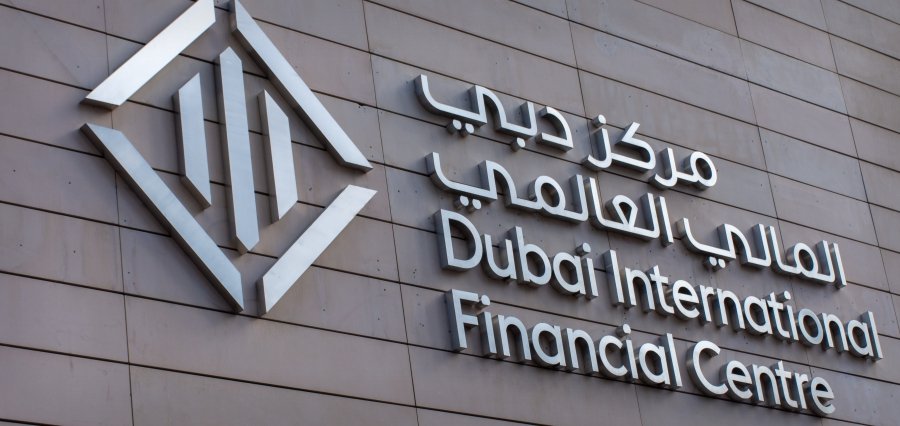
Prime Highlights
- Dubai International Financial Centre (DIFC) recorded a nearly 40% increase in new company registrations last year, driven by hedge funds and financial services firms.
- The centre announced a $27 billion expansion plan to accommodate future demand, reflecting Dubai’s growing appeal as a global financial hub.
Key Facts
- DIFC’s active registered companies reached around 8,840 by year-end, a 28% rise compared with 2025, including 557 wealth and asset management firms.
- DIFC generated a net profit of approximately $400 million last year, with future expansion funding expected from internal resources, cash flows, and potential capital market options.
Background
Dubai International Financial Centre (DIFC) recorded a sharp rise in new company registrations last year, highlighting the emirate’s growing appeal as a global financial hub. The centre said the number of newly registered firms increased by nearly 40% to 1,525, driven largely by an influx of hedge funds and other financial services companies.
Gulf countries are reducing their reliance on oil and investing heavily in finance, technology, and professional services. This shift has helped financial hubs like DIFC, which attract companies looking for stable rules, access to global markets, and a business-friendly environment.
As of the end of December, DIFC had around 8,840 actively registered companies, marking a 28% increase compared with the previous year. The centre now hosts 557 wealth and asset management firms, reflecting rising interest from global investors and fund managers setting up or expanding operations in Dubai and nearby Abu Dhabi.
DIFC Governor Essa Kazim said there was a noticeable increase in firms from the UK, partly linked to the relocation of hedge funds. He noted that ease of doing business and the UAE’s tax advantages continue to attract high-net-worth individuals and financial institutions.
Last week, DIFC announced plans for a major expansion worth about $27 billion, to be completed by 2040. The move follows the centre reaching full capacity and aims to accommodate future demand from new firms.
Addressing funding for the project, Kazim said DIFC generated a net profit of around $400 million last year. He added that future cash flows, internal resources, and a possible return to capital markets could help fund the expansion, and issuing sukuk could still be an option.