
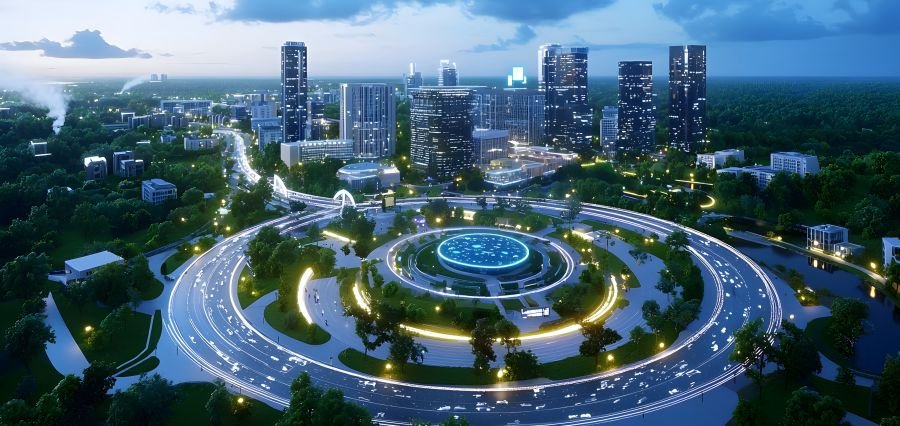
Urban transformation is accelerating at an unprecedented pace, and cities across the globe are reimagining how people live, work, and interact. At the heart of this evolution lies smart city innovation, a concept that integrates technology, infrastructure, and human-centric planning to build efficient and sustainable environments. As populations grow and resources become strained, the vision of future smart cities is no longer optional—it is becoming essential for survival and progress.
Technology as the Backbone of Urban Evolution and Efficiency
Modern cities are increasingly relying on advanced technologies to improve daily life. From intelligent traffic systems to automated waste management, smart city innovation is reshaping how urban spaces function. Sensors, data analytics, and artificial intelligence are being used to monitor everything from air quality to energy consumption in real time.
This digital transformation allows city administrators to make informed decisions that enhance efficiency and reduce operational costs. For residents, it means smoother commutes, safer neighborhoods, and better access to public services. The integration of Internet of Things (IoT) devices ensures that different systems within a city communicate seamlessly, creating a connected ecosystem.
As these technologies continue to evolve, future smart cities will become more adaptive and responsive. They will not just react to problems but anticipate them, offering solutions before issues escalate. This proactive approach is what sets modern urban planning apart from traditional models.
Sustainable Living and Environmental Responsibility in Urban Spaces
Sustainability is a core principle driving the development of future smart cities. With climate change posing a significant threat, cities are under pressure to reduce their carbon footprint and adopt eco-friendly practices. Smart city innovation plays a crucial role in achieving these goals by optimizing resource usage and promoting renewable energy sources.
Green buildings, smart grids, and efficient water management systems are becoming standard features in urban planning. Solar panels, wind energy, and energy-efficient appliances are helping cities reduce dependency on fossil fuels. At the same time, smart transportation systems are encouraging the use of public transit, cycling, and electric vehicles.
Urban green spaces are also being reintroduced to improve air quality and enhance the overall well-being of residents. Parks, vertical gardens, and urban forests are not just aesthetic additions; they are essential components of a sustainable city. Through these initiatives, smart city innovation ensures that progress does not come at the cost of the environment.
Human-Centric Design and Improved Quality of Life in Cities
While technology and sustainability are important, the true success of future smart cities lies in their ability to improve the quality of life for residents. Urban planning is increasingly focusing on human-centric design, ensuring that cities are inclusive, accessible, and comfortable for everyone.
Smart healthcare systems, digital education platforms, and efficient public services are transforming how people interact with their environment. Citizens can access essential services through mobile applications, reducing the need for physical visits and long waiting times. This level of convenience enhances productivity and overall satisfaction.
Safety is another critical aspect being addressed through smart city innovation. Surveillance systems, emergency response mechanisms, and predictive analytics are helping authorities maintain law and order more effectively. These measures create a sense of security, which is vital for any thriving community.
As cities continue to evolve, the focus will remain on balancing technological advancement with human needs. The ultimate goal is to create spaces where people not only live but thrive.
The Road Ahead for Smarter and More Connected Urban Communities
The journey toward future smart cities is filled with opportunities and challenges. While the benefits are immense, issues such as data privacy, infrastructure costs, and digital inequality must be carefully addressed. Governments, private organizations, and communities need to collaborate to ensure that smart solutions are accessible to all.
Innovation will continue to drive this transformation, with emerging technologies like blockchain, 5G, and advanced robotics playing a significant role. These developments will further enhance connectivity and efficiency, making cities more resilient and adaptable.
Education and awareness will also be crucial in shaping the cities of tomorrow. Citizens need to understand and embrace these changes to fully benefit from them. By fostering a culture of innovation and responsibility, urban centers can successfully transition into smarter ecosystems.
The future is not just about building smarter infrastructure but about creating meaningful experiences for people. Through continuous progress and thoughtful planning, smart city innovation will remain the driving force behind the development of future smart cities.