Prime Highlights
- DAE completes its $9 billion acquisition of Macquarie AirFinance, becoming the world’s third-largest aircraft lessor.
- Combined fleet reaches about 1,000 aircraft worth $35 billion, leased across more than 175 airlines.
Key Facts
- DAE holds commitments for about 150 additional aircraft from Boeing, Airbus, ATR and other partners.
- First-half 2026 revenue rises 22.3% to $865.9 million on higher lease revenue from acquisitions.
Background
Dubai Aerospace Enterprise (DAE) has completed its roughly $9 billion acquisition of Ireland’s Macquarie AirFinance, positioning the company as the world’s third-largest aircraft lessor by fleet value and number of owned and managed aircraft.
The deal, first announced in February at $7 billion, gives DAE a combined fleet of about 1,000 owned, managed and committed aircraft worth $35 billion, leased to more than 175 airlines across over 75 countries.
DAE also holds commitments to acquire around 150 additional aircraft from Boeing, Airbus, ATR and other trading counterparties.
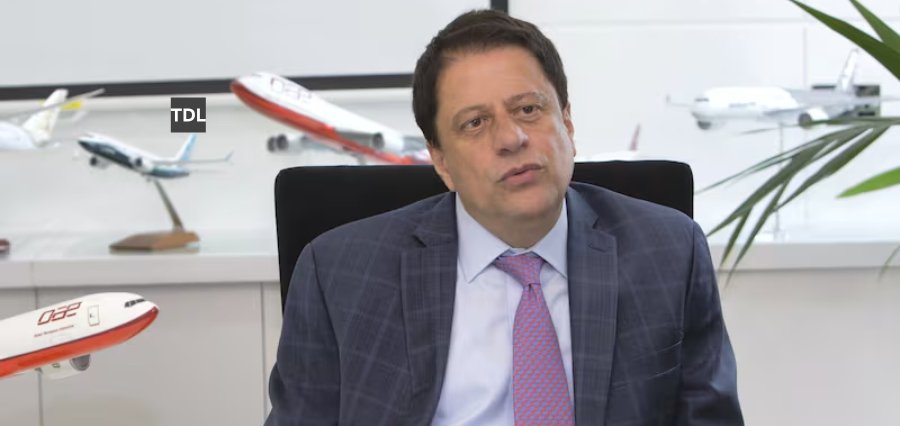
Chief Executive Firoz Tarapore said the transaction deepens DAE’s relationships with Boeing and Airbus, with delivery slots on its orderbook now extending into the 2030s, giving the company flexibility to support airline customers’ fleet needs.
The deal is expected to help DAE Capital welcome new airline customers while expanding ties with existing clients, according to Tarapore. Before this acquisition, DAE’s fleet stood at 700 aircraft valued at $25 billion.
The company has also launched Mustang Aerospace with Neuberger Specialty Finance, targeting up to $6 billion in aircraft assets, and last year acquired Nordic Aviation Capital in a deal worth about $2 billion.
Separately, DAE and Blackstone Credit and Insurance agreed to invest $1.6 billion annually to build a commercial aircraft portfolio. For the first half of 2026, DAE reported revenue of $865.9 million, up 22.3% year-on-year, driven by incremental lease revenue from recent acquisitions.
Tarapore called the period a momentous one for the company, citing the Macquarie deal alongside new co-investment programmes expected to add approximately $15 billion in aircraft assets over the next five years.