
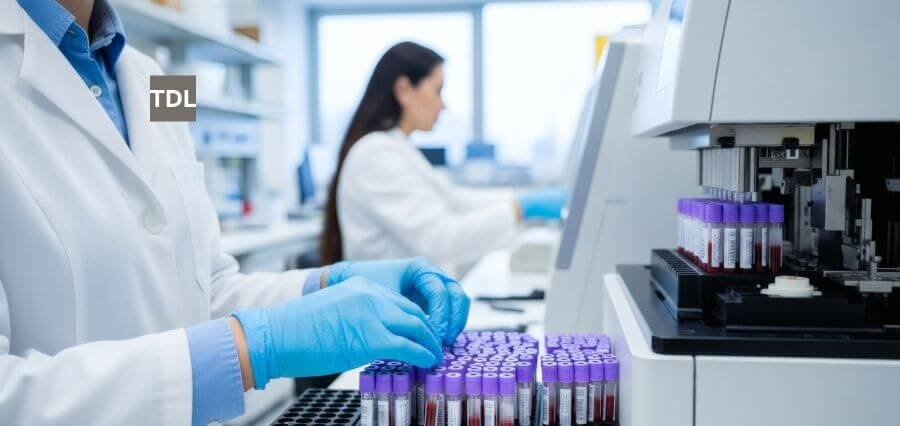
The global molecular diagnostics market is undergoing a period of steady expansion because of technological innovation, rising disease burden and precision medicine development. The clinical use of molecular diagnostics enables doctors to identify infectious diseases, cancer and genetic disorders through the analysis of biological markers at the molecular level. The market development process demonstrates its ability to withstand and change according to worldwide health emergencies. The COVID-19 pandemic created an urgent need for molecular testing technologies which led to the rapid adoption of polymerase chain reaction platforms that now serve as a basis for future technological advancements. Demographic shifts and rising healthcare costs, along with the expansion of diagnostic infrastructure in developing countries, are creating additional healthcare demand that will sustain long-term growth. The increasing focus of healthcare systems on early detection and preventive treatment makes molecular diagnostics a vital tool for achieving better patient results while reducing costs.
Disease Burden
The growing rate of infectious and chronic diseases serves as the primary factor driving expansion in the molecular diagnostics sector. Developing regions need fast and precise diagnostic tests for infectious diseases which include tuberculosis and respiratory infections. Molecular diagnostics provide high sensitivity and specificity which allows for early disease detection and proper disease treatment. The process needs to control outbreaks while decreasing transmission rates and increasing survival chances. Governments and international health agencies are therefore investing in diagnostic infrastructure to strengthen preparedness and response capabilities.
The increasing occurrence of chronic diseases which include cancer, cardiovascular disorders and diabetes drives the need for sophisticated diagnostic technologies. Oncology has become a critical growth segment, supported by the growing use of genetic testing and biomarker analysis in clinical settings. The combination of companion diagnostics with targeted therapies allows doctors to create more individualized treatment plans which enhance treatment results and decrease negative health impacts. As populations age and lifestyle-related diseases become more prevalent the need for timely and scalable diagnostic solutions will continue to grow.
Technology Advances
The present state of molecular diagnostics testing has improved because of better technological developments which make tests faster and easier to access. The development of next-generation sequencing and digital polymerase chain reaction and CRISPR-based diagnostic systems has created new opportunities for molecular testing. The system can perform complete genetic material analysis which helps to identify diseases and detect genetic changes and track how diseases develop. This development creates essential support for precision medicine development together with clinical decision-making process improvements.
The field of molecular diagnostics is starting to experience major transformations because of artificial intelligence and machine learning technologies. The system uses these technologies for advanced data analysis which helps to detect diagnostic patterns that lead to better results and faster test results. The development of molecular diagnostics is also driving testing decentralization because it enables healthcare providers to deliver fast diagnostic services in remote areas with few resources. The trend carries great importance for developing markets because these areas face difficulties in accessing central laboratory facilities. The diagnostic workflows across different processes will achieve higher efficiency and scalability through ongoing updates of automation systems and digital technologies.
Market Expansion
The molecular diagnostics market is expanding worldwide because both regional market conditions and strategic financial investments drive growth. North America leads the market due to its advanced healthcare infrastructure, strong research capabilities, and widespread adoption of cutting-edge diagnostic technologies. Europe maintains a developed market status because it has established strong regulatory systems as it continues to invest in scientific research. The Asia-Pacific region has developed into the fastest-growing market as healthcare expenditures increase, biotechnology industries expand and people develop better knowledge about early disease identification.
Emerging economies are witnessing rapid adoption of molecular diagnostics, supported by government initiatives and public-private partnerships. The market for healthcare products is expanding because more affordable diagnostic tests become available and healthcare facilities become better equipped. The development of non-invasive diagnostic methods like liquid biopsy creates new business opportunities that medical professionals can use to treat cancer and manage long-term diseases. The diagnostic industry benefits from operational partnerships that exist between research organizations, medical facilities and diagnostic companies because these partnerships enable new diagnostic technologies to become widely available.
Conclusion
The molecular diagnostics market will experience revolutionary expansion because of increasing disease burden, fast technological progress and greater healthcare access. The rising focus on early detection, precision medicine and patient-centered care has made molecular diagnostics vital for contemporary healthcare systems. Next-generation sequencing technology, artificial intelligence and point-of-care testing systems will improve diagnostic accuracy, decrease test time and expand their use in various medical facilities. The market requires ongoing research and development funding together with favorable regulatory frameworks and enhanced cooperation between public entities and private companies to achieve future growth.